
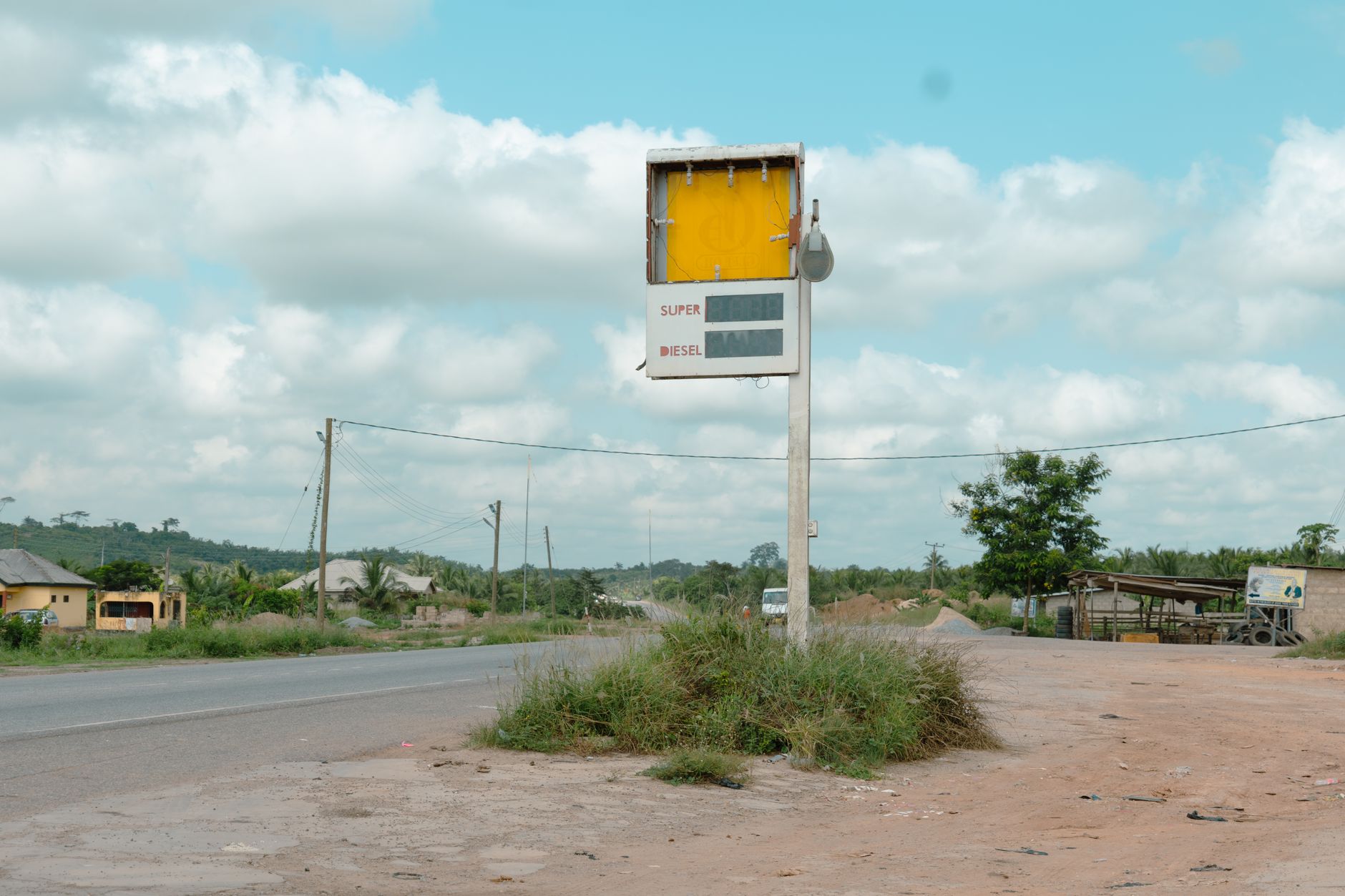
The most-read number in American life is not a stock index or a poll. It is the price on the sign outside the gas station, glowing over every commute. That number now reads record territory: average diesel prices hit $6.53 a gallon this month, the Washington Post reports, and a Brown University tracker estimates Americans spent an extra $100 billion on fuel between the start of the Iran war in late February and early September. So it should surprise exactly no one that, five weeks before the midterms, politicians have discovered the same idea all at once.
Since March, six states have cut, suspended or frozen motor fuel taxes. Georgia suspended its excise taxes from March 20 through June 2. Kentucky's governor cut the state gas and diesel taxes by 10 cents a gallon and froze a scheduled increase. Illinois delayed a July rate hike through the end of the year, and Utah trimmed its tax 15 percent for the same stretch. Indiana has gone furthest: Governor Mike Braun declared an energy emergency on April 8, suspended the state's gasoline excise and usage taxes, and has extended the order five times. It now runs through October 5, and Braun says it saves Hoosiers about 62 cents a gallon while costing the state roughly $140 million a month. Eight more states are debating holidays, and Senator Mark Kelly of Arizona has a bill to suspend the 18.4-cent federal tax.
Then there are the governor's races, where the policy has become a sprint. In Ohio, Democrat Amy Acton called for a gas tax holiday last week. A few hours later, her Republican opponent Vivek Ramaswamy announced a fully drafted 90-day suspension of the state's 38.5-cent gas tax, backed by legislative leaders and expected to get a rare pre-election session vote. Ohio's average diesel price is $6.82 a gallon, per AAA, so the pressure is genuine. In Massachusetts, Governor Maura Healey proposed a two-month suspension of the state's 24-cent tax, and her Republican challenger Mike Minogue countered with a holiday plan of his own. A two-month holiday starting in late September expires, conveniently or otherwise, a few weeks after November 3. The Post's framing was blunt: the timing is converging on Election Day.
There is history here. In 2008, when John McCain and Hillary Clinton both proposed a summer gas tax holiday, one economist's verdict circulated widely: the idea was designed to get candidates through an election. A federal holiday has never actually been enacted. But at the state level the playbook is proven. In 2022, with Brian Kemp on the ballot, Georgia extended its gas tax suspension again and again, deep into October. This year, with Kemp's political future no longer on the line, Georgia's holiday quietly ended in June.
The awkward question is how much relief drivers actually get. Economists who studied the 2022 state holidays found that between 58 and 87 percent of the tax cuts showed up in pump prices, depending on the state and the market. Analyses of earlier holidays in Illinois and Indiana put the figure near 70 percent, and a study of 108 East Coast cities found about 79 percent. In other words, most of the money reaches drivers on average, but gas stations and suppliers keep a slice, and the slice varies place to place. For a federal holiday, the Penn Wharton Budget Model estimates drivers would see about 13.2 cents of the 18.4-cent tax.
Then scale the savings against the problem. The Yale Budget Lab figures a three-month federal holiday would save the average household roughly $37. Researchers at the same lab estimate the war's fuel price surge will cost the average household about $1,000 this year. The holiday hands back pennies on the war's dollar. And because higher-income households buy more gasoline, the dollar benefits tilt upward: Yale estimates annualized savings of about $214 for the top income fifth versus $72 for the bottom fifth, though the smaller sum matters more to a tight budget.
Meanwhile, the bill accumulates where voters cannot see it. Gas taxes are road money. Indiana's $140 million monthly hole is being covered by transportation department reserves, which the agency says can absorb it for now, while city and county officials warn that a long suspension threatens their funding. Ohio's plan would backfill the lost revenue from transportation funds or the rainy day fund, to be repaid someday by a Medicaid fraud recovery deal with Washington that Ramaswamy has not yet explained. The Tax Foundation's critique cuts to the design flaw: holidays subsidize fuel consumption precisely when supply is tightest, and the cost of the roads stays the same, so the burden simply migrates to general taxes or deferred maintenance. The Bipartisan Policy Center estimates a five-month federal suspension would add about $12 billion to the deficit.
To be fair to the politicians, when diesel flirts with $7 a gallon, even partial relief is real money for truckers, contractors and commuters, and diesel costs flow into groceries and freight whether or not you drive. The argument against these holidays was never that they do nothing. It is that they do a little, at meaningful cost, with maximum visibility.
That visibility is the whole game. A gas tax holiday is the rare tax cut that advertises itself every day, in three-foot numbers, on every corner. The benefits arrive immediately and photograph well. The costs, a drained reserve fund here and a postponed resurfacing project there, land months or years later and belong to no one. That incentive structure explains how a Democrat and a Republican in Ohio landed on identical policy within hours of each other, and why Indiana's emergency, declared for 30 days in April, is now six months old. Braun's own reading of how long the law lets him go has migrated from 60 days to 120 days and counting as the calendar has advanced.
Watch the expiration dates. Indiana's holiday lapses October 5 unless extended again. The taxes will come back. So will the candidates, asking for credit for the pause.
Free Game Takeaway
If your state has a holiday, treat it as a discount window, not a new normal. Pass-through research shows stations pass along anywhere from roughly 58 to 87 percent of a cut, and it varies market to market, so comparison shopping with price apps matters more than usual right now; the station that fully passes through the cut wins you real money. Do not calibrate your household budget to the holiday price, because Indiana's expires October 5 and every one of these taxes snaps back, likely right after the votes are counted. If the timing works, fill up before an expiry date. Watch diesel even if you never buy it: at record prices it is quietly taxing your groceries, deliveries and anything that moves by truck. And pay attention to the backfill question. In Ohio, the road money would come from reserves or the rainy day fund pending an unspecified federal deal, and in Indiana the transportation department is burning through $140 million a month in reserves. Deferred road costs eventually reappear as potholes, tolls or higher general taxes, so the holiday is best understood as a loan against your own infrastructure. The signals worth tracking: whether Indiana extends past October 5 or calls a special session, whether Ohio's legislature actually returns to pass the 90-day plan, and whether Massachusetts lawmakers approve Healey's two-month suspension before November 3.