|
| “Our whole rhythm is create, move, create again. Great coffee is a part of that cycle.” — Pusha T on the idea behind Grindin Coffee |
|
|
Good Morning! Pusha T and Pharrell spent more than two decades turning sharp ideas into cultural currency. Now they are turning the ritual behind their work into Grindin Coffee, a consumer brand built with Lavazza and named for the Clipse record whose lunch-table beat still announces itself in two seconds. Today's Free Game is about an underused ownership play: test an authentic idea with your core audience, protect the story, then bring in an operating partner who can help scale it.
Also this morning: Ed Sheeran's U.S. tour is in turmoil after four supporting acts, including his backing band, withdrew in solidarity with Macklemore after the rapper was removed over pro-Palestinian comments. The dispute has since produced public humanitarian-aid commitments from Macklemore and Sheeran, plus a matching request to Patriots owner Robert Kraft. Huawei also unveiled new AI infrastructure aimed at narrowing Nvidia's lead, markets are still digesting the Fed's first rate hike in three years, and Holtec pulled a planned $900 million nuclear IPO. Let's get into it.
|
|
FREE GAME OF THE DAY
Pusha T and Pharrell Turn 'Grindin' Into a Business Playbook
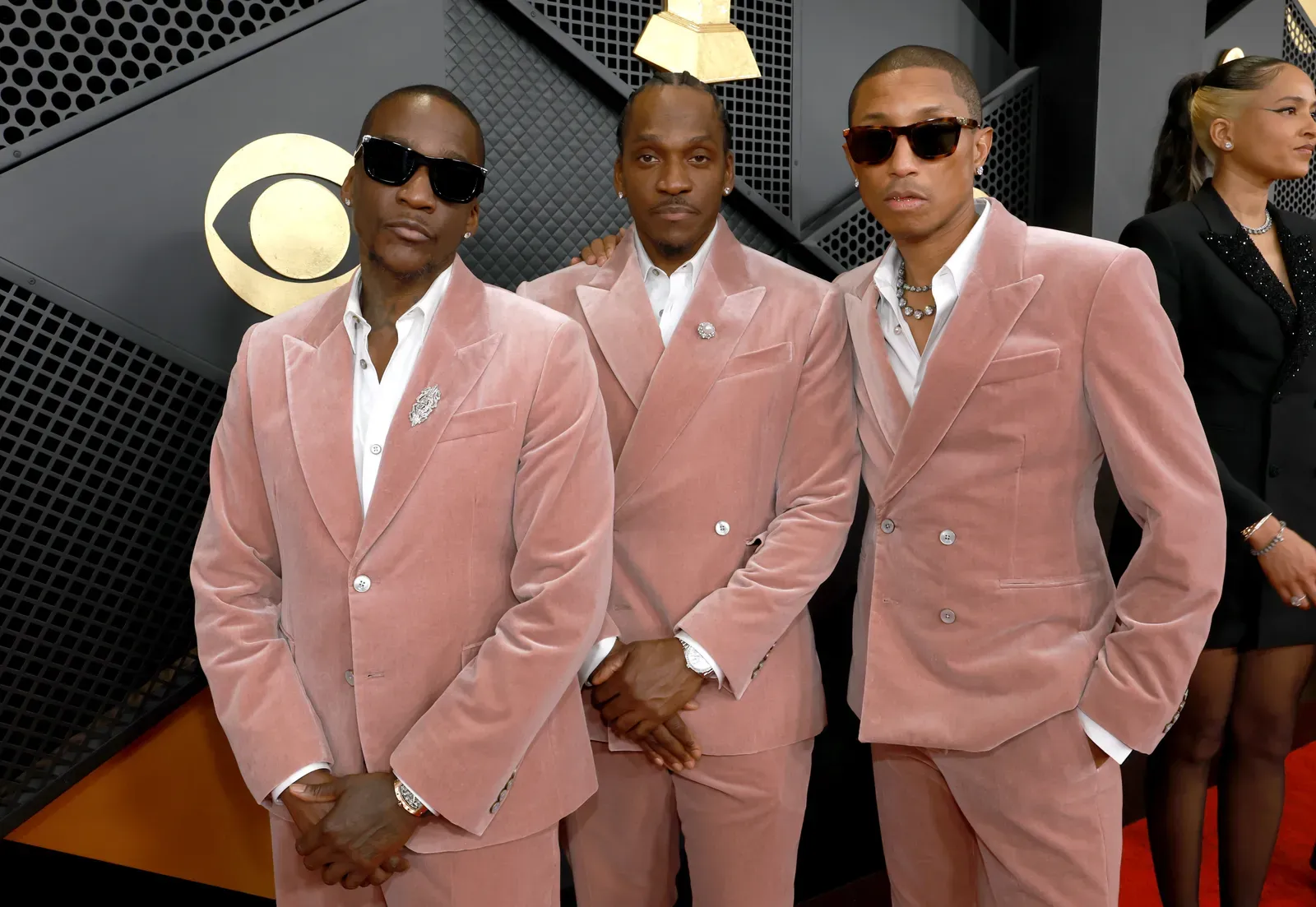 Pusha T and Pharrell Williams have turned one of hip-hop's most recognizable ideas into a consumer business. The longtime collaborators formally introduced Grindin Coffee with two New York launch events on September 16, backed by Lavazza and built around medium- and dark-roast blends sold in whole-bean and ground formats.
The name reaches back to 'Grindin',' the 2002 Clipse single produced by Pharrell. But the business did not begin as a nostalgia exercise. Pusha T first tested Grindin Coffee through pop-ups around Camp Flog Gnaw in 2024, watching fans line up for the coffee and associated merchandise before the larger Lavazza partnership took shape.
That sequence matters: audience first, infrastructure second. Pusha T and Pharrell supplied a story with genuine cultural equity and proof that their audience would engage with it. Lavazza brought more than a century of roasting experience, product development, and coffee credibility. The public pages do not disclose ownership percentages or financial terms, so this should not be mistaken for a full look at the deal economics.
The product also connects to an actual behavior. Pusha T has described early studio sessions with Pharrell built around 5 a.m. starts, strong black coffee, hours of recording, and long bike rides. That routine made coffee part of their creative process before anyone tried to sell it, giving the brand a more believable foundation than a celebrity name placed on an unrelated product.
There is a broader lesson in the choice of intellectual property. A 24-year-old song can still create new commercial value when the extension feels natural: 'Grindin' becomes the soundtrack, the work ethic, and the product promise. The brand is not merely borrowing recognition from the record; it is translating the meaning fans already attach to it into a daily ritual.
Coffee is crowded, and a clever launch does not guarantee repeat purchases. Grindin still has to compete on taste, price, distribution, and customer retention after the cultural novelty fades. But the rollout offers creators a sharper model than attaching their face to the highest bidder: start with something you already live, validate it with the people who understand the reference, and partner for the capabilities you do not own.
Free Game Takeaway: Free Game Takeaway: Your most valuable business idea may already be hiding inside a habit, phrase, process, or piece of intellectual property your audience associates with you. Test it cheaply with the people who care most, confirm they will pay, and only then find a partner who fills the operational gaps. Cultural relevance can open the door; product quality and ownership determine what remains after the launch.
Read the lead source report
|
|
HEADLINES
Top Reads
- Senate cloture vote on Clarity Act fails, dealing regulatory setback to crypto industry (CNBC)
- Huawei unveils new chip technologies as it steps up the AI race with Nvidia (Associated Press)
- Holtec Nuclear shelves US IPO as AI trade hits turbulence (Reuters)
- Pennsylvania asks CDC for emergency assistance amid RFK Jr. clash over measles deaths (The Hill)
- 🆓 Fed Hikes Rates (Free Game News)
- All supporting acts withdraw from Ed Sheeran's tour in solidarity with Macklemore (The Guardian)
- Houthi drone debris kills 1, injures 2 in Saudi Arabia's Taif province (Associated Press)
- US weekly jobless claims unexpectedly fall to 196,000 (The Detroit News)
- Trump leans into crime attacks at North Carolina rally for Senate nominee Michael Whatley (HuffPost)
- Cooler crude and steady yields lift stocks the day after the Fed hike (Charles Schwab)
- Iran and US hit tankers in biggest wave of attacks on shipping since the war began (Reuters)
- August jobs report shows hope and warning signs for Black workers (New York Amsterdam News)
- 5 things to know about Beyoncé's 'B'Day' 20th anniversary album featuring Selena (ABC News)
|
|
CAPITAL PULSE
Markets Rundown
 Photo by Raphael Loquellano on Pexels · Pexels License
Market Update
- The S&P 500 rebounded 1.14% to close at 7,637.76 on Thursday, recovering most of Wednesday's Fed-day slide that knocked the Dow down more than 600 points, or 1.2%.
- The 10-year Treasury yield pushed back above 5% this week, its highest level since 2007, as bond investors priced in the Fed's signal that at least one more hike is coming this year.
Economic Data
- Initial jobless claims unexpectedly fell 10,000 to a seasonally adjusted 196,000 in the week ended September 12, well below the 208,000 economists forecast, though the Labor Day holiday likely distorted the seasonal adjustment.
- August consumer prices rose 0.4% on the month and 3.4% from a year earlier, with energy up 16.3% year over year and gasoline up 27.4%, the inflation backdrop behind this week's rate hike.
- The average 30-year fixed mortgage rate jumped to 6.95% this week from 6.76%, per Freddie Mac's Thursday survey, tightening the squeeze on a housing market already stuck in low gear.
Geopolitics and Oil
- Brent crude settled near $104 a barrel Thursday, down from Wednesday's $105.83 but up from roughly $98 two weeks ago, as the U.S.-Iran tanker war keeps the Strait of Hormuz effectively closed to large commercial ships.
- Debris from an intercepted Houthi drone killed one person and injured two others in Saudi Arabia's Taif province on Thursday, a reminder that the region's second front is still live while the Gulf war drives oil prices.
Movers & Shakers
- Generac surged 29% Thursday after CNBC reported Amazon received warrants to buy up to $340 million of its shares as part of a deal to supply backup power for Amazon's data centers.
- Lennar fell after the homebuilder missed revenue and profit estimates and cut its delivery forecast, citing, in its word, deterioration in housing market conditions as mortgage rates near 7%.
- Bitcoin dropped as much as 5.3% to below $75,000 after the Senate's 49-50 cloture vote killed the crypto Clarity Act for the year, with Senator Cynthia Lummis declaring the effort over until the next Congress.
Prediction Markets
- Robinhood event contracts priced a Bank of England hold at 99 cents heading into Thursday's decision, and the market called it right, with the central bank keeping Bank Rate at 3.75%.
- Heading into Fed week, Kalshi traders treated two quarter-point hikes by December as the base case and gave a year-end hold just a 16% chance, a tightening-cycle bet the Fed's new projections now effectively endorse.
Private Dealmaking
- Holtec Nuclear suspended its planned $900 million Nasdaq IPO late Wednesday, citing market conditions as the AI-power trade wobbles, a deal CEO Krishna Singh called a perfect storm since investors see his company as tied to data center demand.
- The IPO pipeline stays crowded despite Holtec's retreat, with Anthropic, chipmaker Altera, SoftBank-backed SB Energy, and smart ring maker Oura reportedly slated to go public this year.
|
|
BOOK OF THE DAY
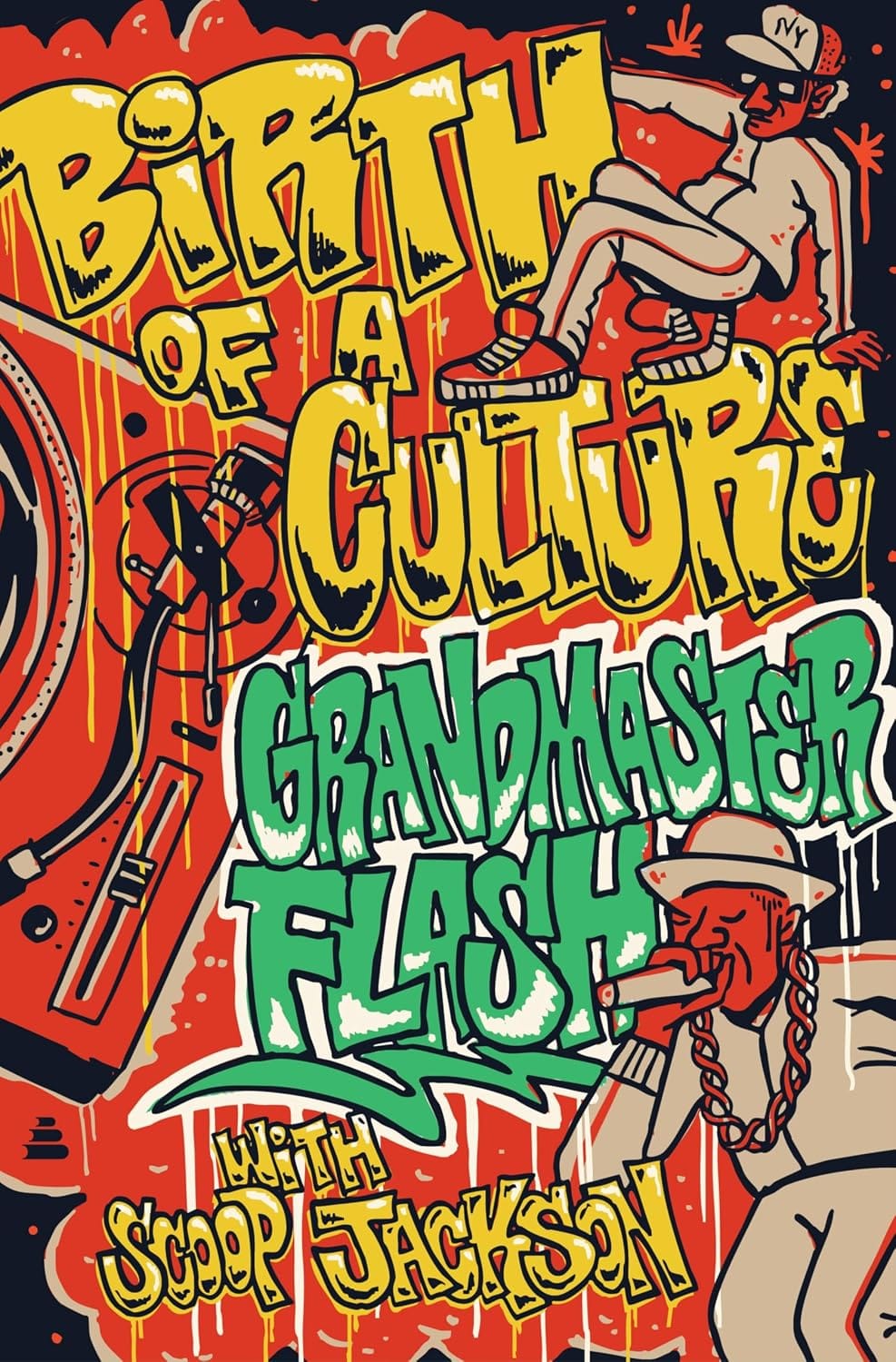
Birth of a Culture
Description:
More than fifty years after a self-described kid scientist named Joseph Saddler started rewiring turntables in the Bronx, Grandmaster Flash tells the origin story of hip-hop in his own words. Written with journalist Robert "Scoop" Jackson and out September 22 from Amistad, the memoir traces the culture from block parties to global phenomenon, weaving in interviews with the people who lived it alongside him. Unlike his 2008 memoir, which centered on personal trauma and recovery, this one is about the music itself: the innovation, the math and science behind his DJ techniques, and the relationships that built a movement.
Author: Grandmaster Flash with Robert "Scoop" Jackson
Release Date: September 22, 2026
Ideal For:
Lifelong hip-hop fans, music history nerds, and anyone who loves a first-person account of how a culture gets built from nothing.
The most durable cultures are usually documented last by the people who made them first. Flash writing this down fifty years on is a reminder that if you do not tell your own origin story, someone else will, and they will get it wrong.
|
|
DAILY ACUMEN
Mr. Market Is Moody. You Do Not Have to Be.
Benjamin Graham, the father of value investing, invented a character to explain how sane people should relate to stock prices. He called him Mr. Market, an imaginary business partner who shows up every single day offering to buy your share of a company or sell you his, at a different price each time. Some days he is euphoric and quotes a wild premium. Some days he is despondent and offers to sell cheap. The crucial detail: you are always free to ignore him.
This week was Mr. Market in miniature. On Wednesday he panicked over a quarter-point rate hike almost everyone knew was coming and marked stocks down by hundreds of points. On Thursday he calmed down and bought most of it back. Nothing about the underlying economy changed between those two days. What changed was the mood of the partner quoting the prices. Investors who treat each quote as information about their own net worth get whipped around. Investors who treat it as one moody opinion stay oriented.
The practical lesson travels well beyond stocks. Any time you face a daily stream of evaluations, likes, performance metrics, other people's snap judgments, ask whether you are dealing with signal or with Mr. Market. Signal changes what you know. Mood only changes what you feel. Graham's insight was that the market is there to serve you with liquidity, not to instruct you on value. The moment you let the quote set your mood, you have hired a manic-depressive as your financial advisor.
|
|
ENLIGHTENMENT
Free Game Picks
|
|
|
📣 Partner With Us: Get in front of an audience of over 1 million black professionals, business leaders, and policy influencers. Submit a partnership inquiry.
|
|
What'd you think of today's edition?
|
|
|
|

