
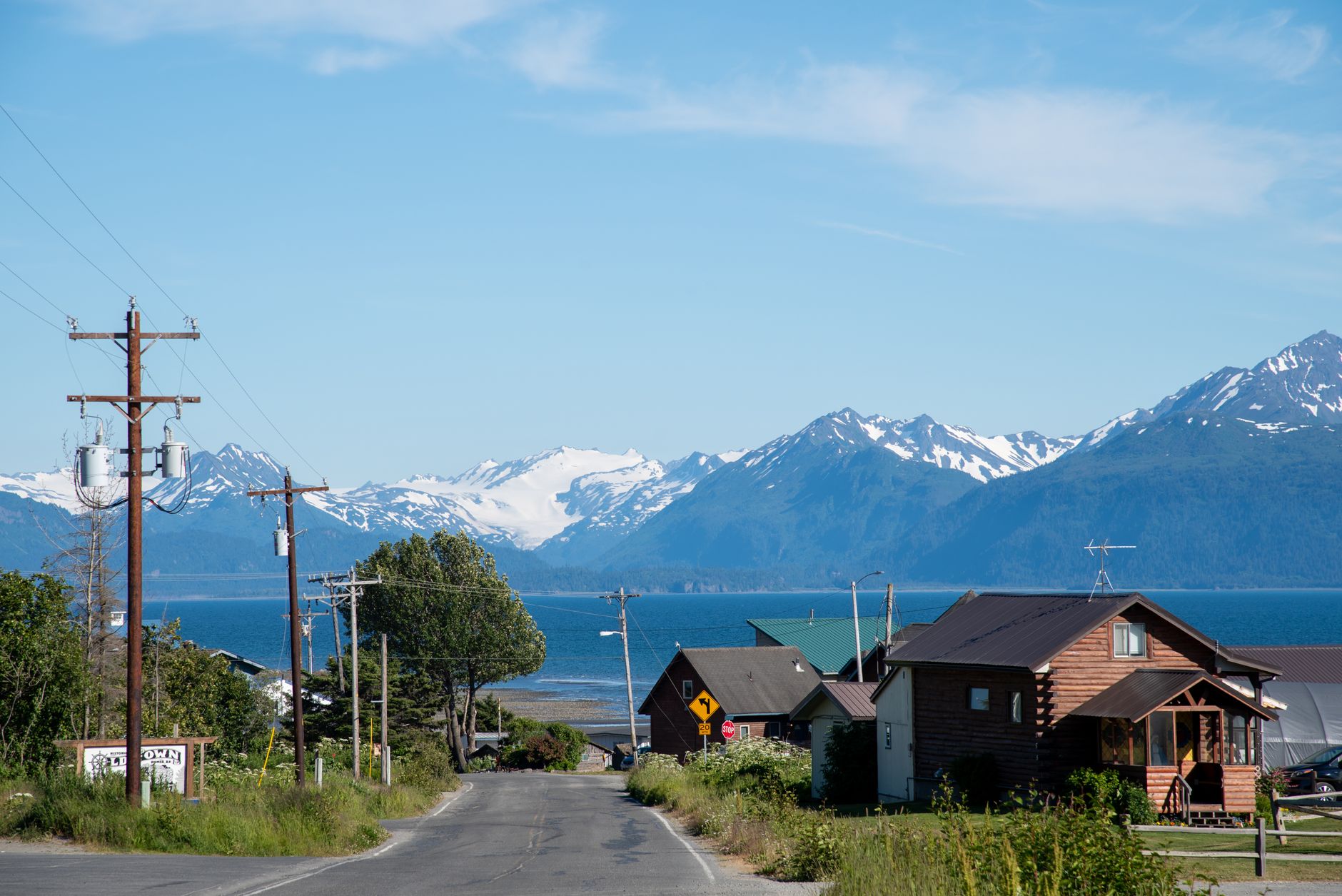
Photo by Jan Tang on Pexels · Pexels License
Two days before an election that could help decide control of the Senate, Alaska's Republican incumbent did something that has become surprisingly rare in his party: he said, out loud and on camera, that he will accept the results even if he loses.
Sen. Dan Sullivan, pressed by CNN's Jake Tapper on Sunday about whether he would accept the outcome only if he won, answered directly: "No, I'm going to accept the election results."
That sentence lands differently in this race, because everything around it is on fire. A New York Times investigation published October 28, citing text messages and direct quotes from Mary Peltola's former campaign manager, reported that Peltola staff members working with an Ohio-based Democratic operative encouraged a retired Alaska schoolteacher named Dan Sullivan to put his name on the ballot. Alaska's system allows multiple candidates to advance to the general election, so voters on Tuesday will see two Dan Sullivans alongside Peltola and another Republican, Gerald L. Heikes, on a ranked-choice ballot. In June, the Alaska Supreme Court ruled the second Sullivan could stay on.
Peltola's campaign has denied any involvement in the recruitment, and Peltola herself has said she had no idea whether staff were involved. The alleged scheme, whatever its provenance, is not necessarily illegal. It is the kind of hardball that operates in the gray zone between sleazy and unlawful, and both parties have played versions of it for years.
The response from Washington, though, has been anything but gray. President Trump has demanded Peltola withdraw from the race and be prosecuted. Last week, the Justice Department sued to block certification of the Senate race if Republicans lose because of confusion over the candidates, a lawsuit Trump confirmed was filed on his orders. Alaska's Republican governor has ordered a state investigation. Notably, Sullivan's own campaign said it was surprised by the federal lawsuit.
That surprise is the tell. Sullivan is simultaneously accusing Peltola of lying about the scheme, telling Tapper she is "continually lying to the Alaskan people," and declining to join the effort to pre-invalidate the election. One way to read that is genuine institutional commitment. Another is arithmetic: Alaska uses ranked-choice voting, Sullivan needs second-choice votes to survive a close race, and a candidate who pre-declares the election rigged poisons the persuasion game he still has to play. He told CNN he is focused on winning, not legal challenges. Both things can be true, and in politics they usually are.
The people with the most at stake are the ones both campaigns spent late October courting. Peltola, who is Yup'ik, was the first Alaska Native ever to serve in Congress, and Alaska Native voters are a decisive constituency in a state where elections are routinely won in the villages, not Anchorage. Both candidates addressed the Alaska Federation of Natives conference in Anchorage last month. AFN, which endorsed Peltola in her 2022 and 2024 House races, stayed neutral this year, while Sealaska Corp., a regional Native corporation, endorsed both candidates. After the Trump lawsuit was filed, Peltola called it "flagrant corruption" and accused Sullivan of using his D.C. allies to hold power. The AFN endorsement freeze and the dual Sealaska nod suggest Native political leadership is hedging, watching which man actually respects the result.
So the state now holds an unusual split screen: a Democratic candidate accused of benefiting from a decoy namesake, a federal government suing to pre-block certification of a loss, and a Republican incumbent standing apart from both, promising to live with whatever the ranked-choice math produces.
If Sullivan loses and honors that promise, he will have handed his party an awkward example: proof that a Republican can run hard, cry foul, and still concede. If he loses and the lawsuit he says surprised him becomes the vehicle for overturning the result anyway, his Sunday pledge becomes a footnote. Either way, Alaska is about to run a live test of whether election results still settle elections, and a lot of people beyond Alaska should want to know the answer.
Free Game Takeaway
Watch two things after Tuesday. First, watch whether Sullivan's campaign touches the Justice Department lawsuit if he loses; a candidate disavowing a suit filed to save his own seat, and then benefiting from it, is the tell about what his pledge was worth. Second, watch the ranked-choice tabulation itself: Alaska counts in rounds, so early leads can flip, and both campaigns will spin the delay as fraud or as normal depending on who is ahead. For voters anywhere, the practical lesson is that election integrity is now a campaign tactic as much as a principle, and the cleanest signal of a candidate's sincerity is what they do after the count, not what they say before it.